The hypnotic, rhythmic flow of a lava lamp is its defining feature. But you might notice that this rhythm isn’t always constant—sometimes it’s slow and dreamy, other times it’s surprisingly fast. The key factor is often the temperature of the room. The wax and liquid inside are engineered for a specific thermal balance, and changing the ambient temperature directly changes their dance. Using a classic model like this 13-inch small lava lamp, we can explore the science of how your thermostat controls the show.
Table of Contents
The Science Behind the Speed: Viscosity and Density
Two main physical properties govern the wax blobs’ movement, and both are highly sensitive to temperature:
- Liquid Viscosity: Think of this as the “thickness” of the clear liquid. Colder temperatures make the liquid more viscous (thicker), creating more resistance for the wax blobs to move through. Warmer temperatures make it less viscous (thinner), allowing the wax to flow more easily.
- Wax Density: Heat causes the wax to expand, making it less dense. The greater the temperature difference between the warm bottom and cool top of the lamp, the greater the density difference between the wax and the liquid, which increases the buoyant force pushing the wax upward.
The Temperature Sweet Spot: Ideal Conditions
For most standard lava lamps, the manufacturer designs the wax and liquid formula to perform optimally at a room temperature of around 68-75°F (20-24°C).
- At this ideal temperature: The flow is steady and consistent. Blobs form nicely, rise and fall in a relaxed, rhythmic manner, and the convection cycle is stable. This is the “perfect” lava lamp experience.
What Happens When It’s Too Cold?
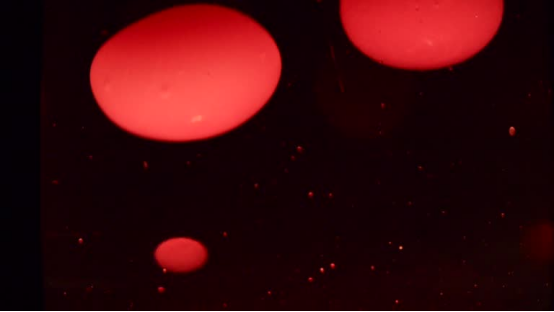
Scenario: Room temperature below 65°F (18°C).
- Observed Effect: The flow becomes very slow, sluggish, or may even stop. Wax may clump at the bottom or get stuck mid-way.
- The Science: The liquid is too viscous, and the wax may not get warm enough to fully melt and become significantly less dense than the liquid. The driving force (density difference) is too weak to overcome the resistance.
- The Fix: Move the lamp to a warmer room. Never try to warm it with an external heat source like a hair dryer, as this can crack the glass.
What Happens When It’s Too Hot?
Scenario: Room temperature above 80°F (27°C).
- Observed Effect: The flow becomes frantic and fast. Wax may form many tiny blobs or a cloudy, frantic stream instead of large, graceful globules. It can look more like boiling water than a slow dance.
- The Science: The liquid’s viscosity is very low, offering little resistance. The wax gets very hot, becomes much less dense, and rockets to the top. The cooling at the top is less effective because the ambient air is also warm, so the sinking phase is weak or non-existent, disrupting the cycle.
- The Fix: Move the lamp to a cooler room or lower the ambient temperature with air conditioning.
Practical Tips for Perfect Flow Year-Round
- Winter (Cold Rooms): Place your lava lamp in the warmest part of the room, away from drafty windows. Allow extra warm-up time (it may take over an hour to establish flow).
- Summer (Hot Rooms): Use it in an air-conditioned space. Avoid direct sunlight, which will superheat the lamp and likely ruin the flow.
- The Golden Rule: Patience is key. When you move a lamp to a new temperature environment, give it 3-4 hours of continuous operation to fully acclimate and find its new equilibrium. The first cycle might look odd.
Conclusion: Your Room is Part of the Lamp
Understanding the temperature effect turns a quirk into a feature. Your lava lamp isn’t broken if it’s slow on a winter day—it’s faithfully responding to the physics of its environment. By keeping it in its ideal temperature range, you ensure it delivers the calming, mesmerizing performance it’s famous for. It’s a beautiful reminder that this piece of decor is a live, interactive scientific display.
Find the perfect rhythm for your space. Get a classic lava lamp and discover how its flow changes with the seasons.