Turning on a lava lamp is an exercise in patience that rewards you with a mesmerizing show. But what exactly happens during those 45 minutes of waiting? We conducted a detailed observation of a classic 13-inch metal-base model with orange wax, like this one, to document the precise thermodynamic journey from solid stillness to hypnotic flow.
Table of Contents
The Setup
- Subject: 13″ Metal Base Lava Lamp (clear liquid, orange wax)
- Ambient Temperature: 72°F (22°C) – within ideal operating range
- Location: Stable tabletop, away from drafts or direct sunlight
- Goal: Record the phase changes and flow establishment of the wax.
The Observation Diary Minute-by-Minute
Minutes 0-5: The Quiet Glow
The switch is flipped. The bulb at the base illuminates, casting a warm, amber light through the clear liquid and reflecting off the sleek metal base. The lava lamp is silent. The orange wax rests at the bottom in a solid, cohesive mass. No movement is detectable. The container warms slightly to the touch, but the scene is one of complete stillness—a decorative piece waiting to come alive.
Minutes 6-15: The First Signs of Life
Around the 8-minute mark, a subtle change occurs at the very bottom of the wax mass. The sharp edges in contact with the warmed glass begin to soften and blur. By minute 12, the lower third of the wax has transitioned to a translucent, gel-like state. Tiny, teardrop-shaped beads of molten orange wax form at the interface between the solid and liquid but remain clinging to the core. The first, faint currents become visible in the liquid as it begins to warm unevenly.
Minutes 16-30: The Ascent Begins
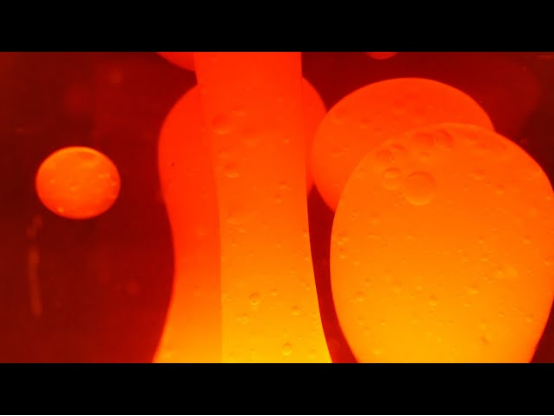
At minute 18, the magic moment: the first fully liquefied blob of wax detaches. It’s small, about the size of a pea, and begins a painstakingly slow ascent. It rises at roughly half an inch per minute. Soon, it is joined by others. By minute 25, a steady stream of variously sized orange blobs is floating upwards, some merging mid-journey. The convection cycle is now visible: warmed liquid (carrying wax) rises, cools at the top, and begins to sink down the sides. The lamp is fully awake.
Minutes 31-45: Equilibrium and the Dance
The lava lamp enters its final phase. By minute 35, the first blobs that reached the top have cooled, contracted, and become denser. They begin their leisurely descent back to the bottom, stretching into long, elegant teardrops or ribbons as they fall. This creates the iconic visual of wax blobs rising and falling in the same column, passing each other like commuters in a slow-motion train. By minute 45, the system achieves a stable thermal equilibrium. The flow is consistent, smooth, and continuous—the signature, calming motion is established.
The Science Behind the Spectacle
This 45-minute ritual is a perfect demonstration of basic thermodynamics:
- Heat Transfer: The bulb gently warms the glass and the liquid, which then transfers heat to the solid wax.
- Phase Change: The wax has a specific melting point. Once enough heat is absorbed, it changes from a solid to a liquid.
- Density & Convection: The liquid wax is less dense than the surrounding cooler liquid, so it rises. At the top, away from the heat source, it cools, becomes denser, and sinks. This creates the self-sustaining convection current.
Why Rushing It Ruins the Magic
Attempting to speed up the process with a hotter bulb or external heat would be disastrous. It could:
- Cause the glass to crack from thermal shock.
- Overheat and degrade the specialized wax formula.
- Prevent the stable, long-term convection cycle from forming.
The 45-minute warm-up is a feature, not a bug. It’s a built-in moment of anticipation that makes the resulting flow more satisfying and ensures the longevity of your lamp.
Conclusion The Reward for Patience
Watching a lava lamp awaken is to watch physics in its most elegant and aesthetically pleasing form. The deliberate pace forces you to slow down, making the eventual dance of light and color a true reward. It’s a daily reminder that some of the best things—especially in design and science—simply cannot be rushed.
Experience the slow, scientific magic for yourself. Bring home a classic lava lamp and witness its 45-minute journey to life.